Environmental health and biodiversity
The world needs better management of water, soil, nutrients, and biodiversity in crop, livestock, and fisheries systems, coupled with higher-order landscape considerations as well as circular economy and agroecological approaches.
CIMMYT and CGIAR use modern digital tools to bring together state-of-the-art Earth system observation and big data analysis to inform co-design of global solutions and national policies.
Our maize and wheat genebanks preserve the legacy of biodiversity, while breeders and researchers look at ways to reduce the environmental footprint of agriculture.
Ultimately, our work helps stay within planetary boundaries and limit water use, nutrient use, pollution, undesirable land use change, and biodiversity loss.
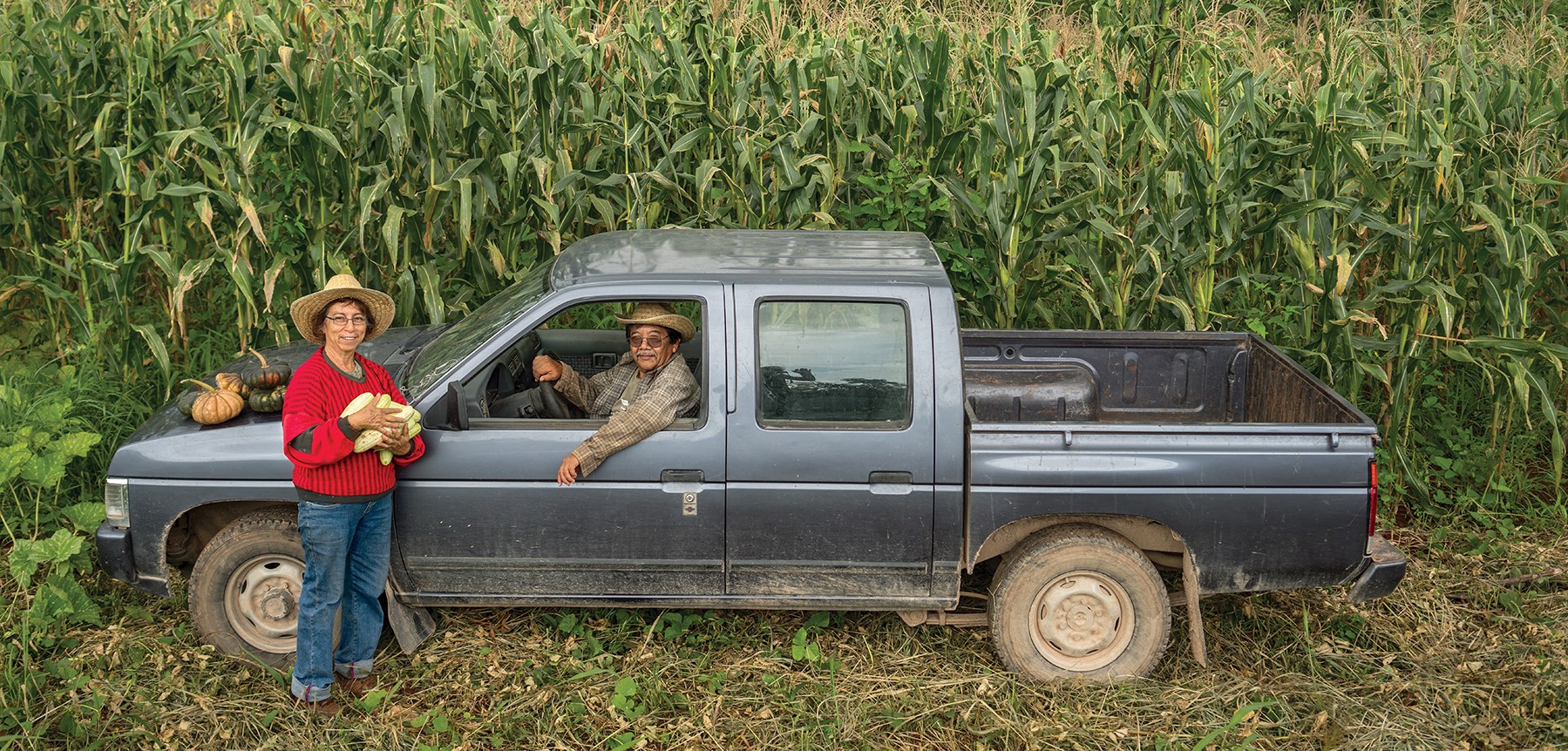

Agroecology alliance calls for more food at less cost to nature in Congo Basin
 Climate adaptation and mitigation
Source: Mongabay (28 Aug 2023)
CIMMYT research, Prasanna Boddupalli, emphasise the importance of reorienting food production systems and agricultural policy across the Congo Basin.
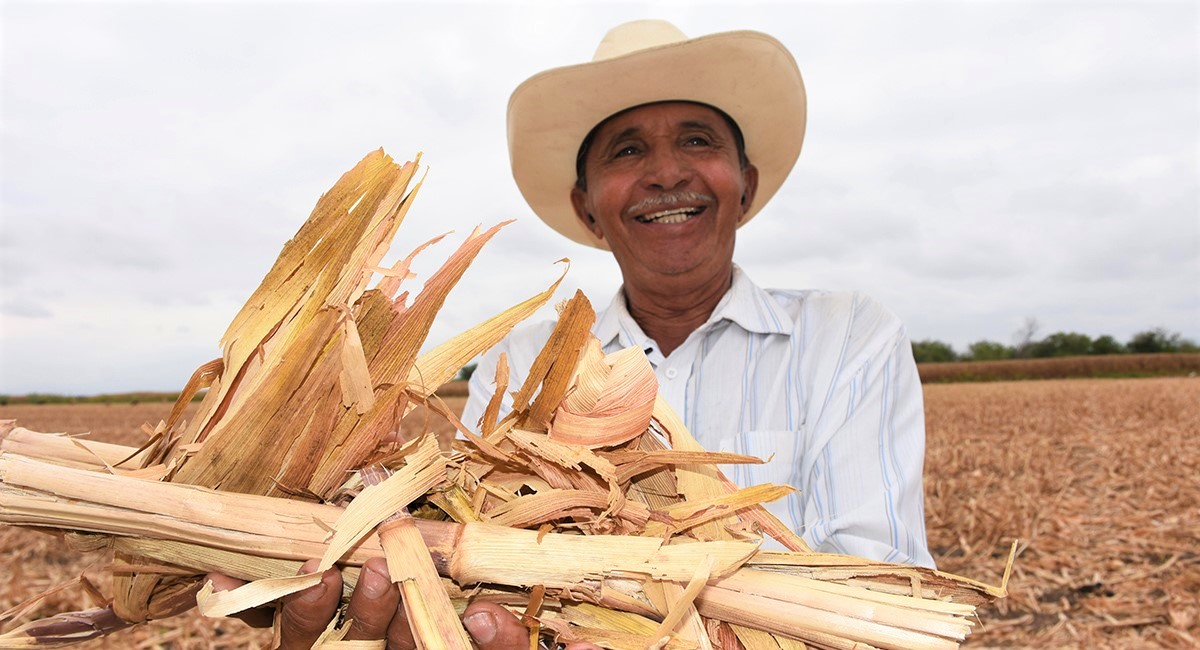
Smallholder Mexican farmers adopt resource-conserving innovations: slowly and in bits
Climate adaptation and mitigation
Supporting a gradual, step-wise adoption of conservation agriculture — along with livestock and residue management, use of new crops and improved varieties, and appropriate mechanization — appears promising.

A Mexican farm research program gains praise and interest for use abroad
Climate adaptation and mitigation
The Mexican government-supported research-for-rural development initiative MasAgro has raised maize and wheat yields and farm profitability while mitigating farmers’ risk and agriculture’s ecological and climate impacts.
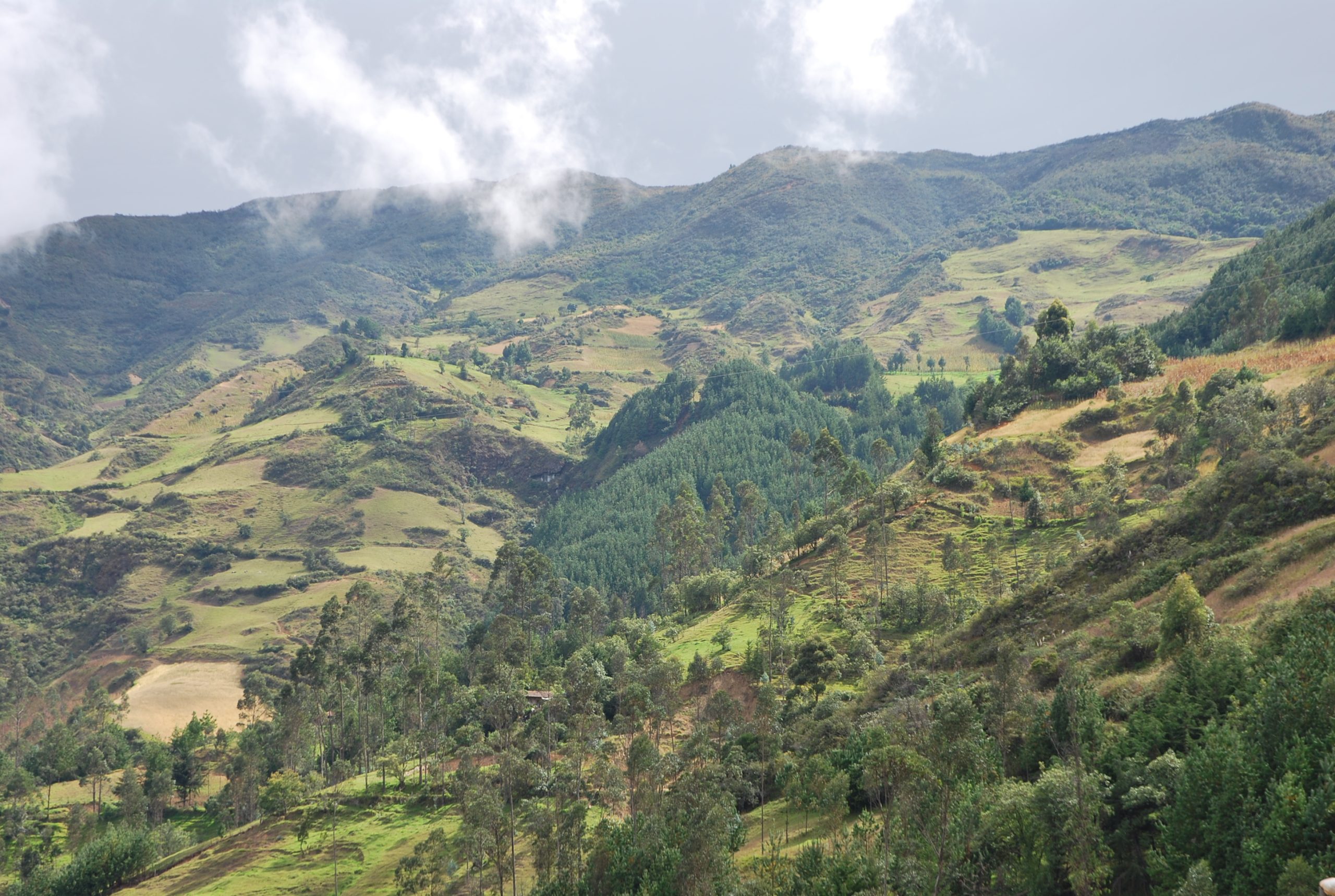
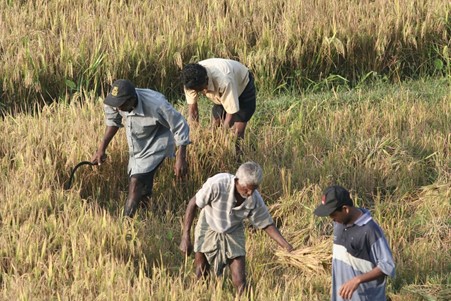
Climate Adaptation Atlas will support evidence-based solutions in Sri Lanka
Climate adaptation and mitigation
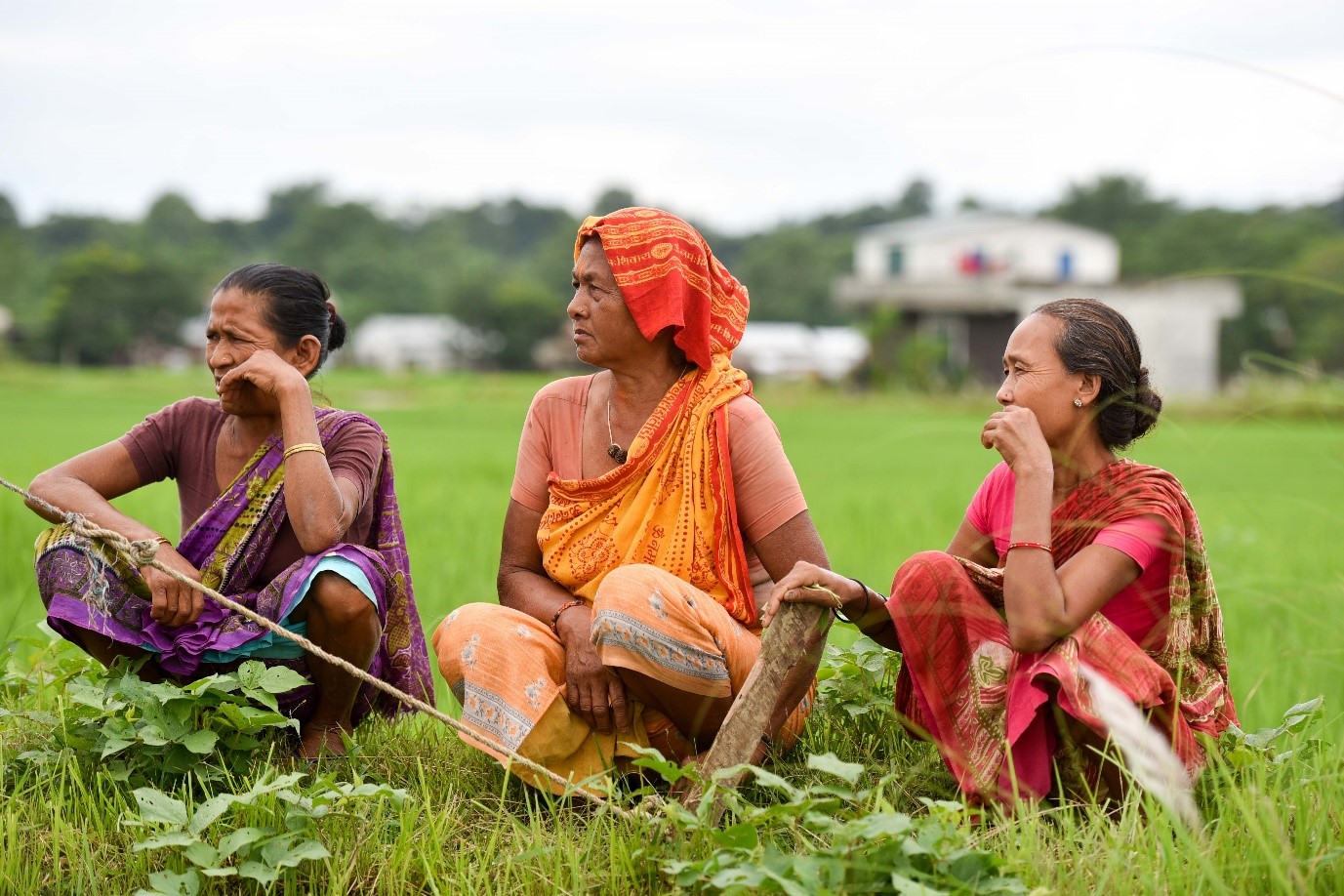
Atlas crucial to strengthen Nepal’s capacity to cope with climate change
Climate adaptation and mitigation
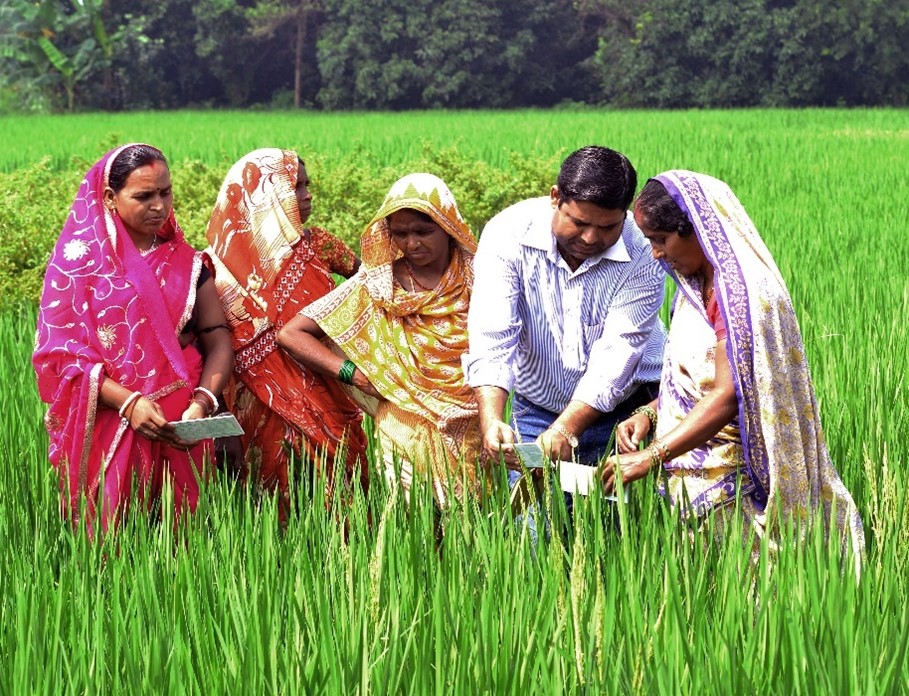
A new Climate Adaptation Atlas to safeguard South Asian agriculture
Climate adaptation and mitigation
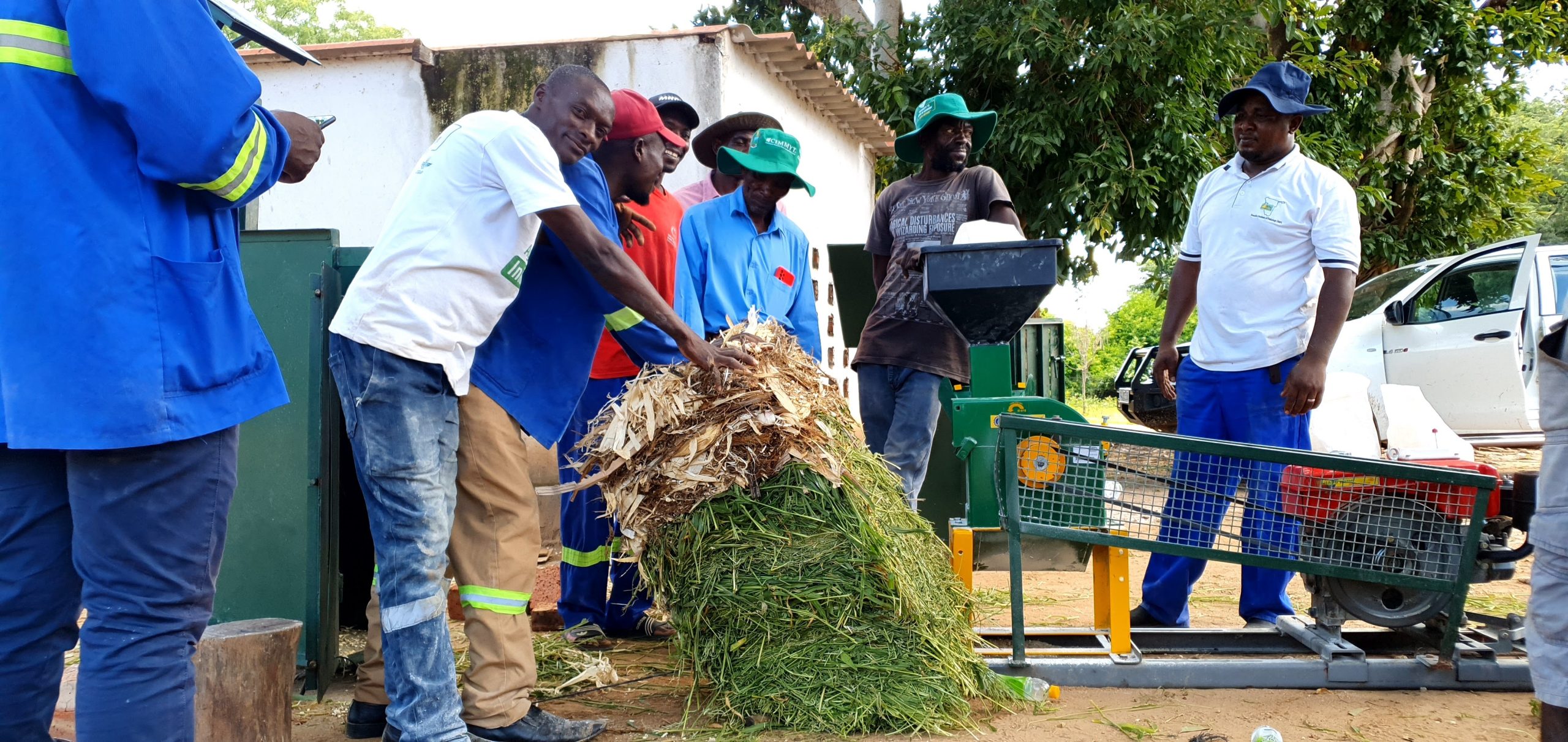
Appropriate farm scale mechanization can aid in agroecological transformation
Environmental health and biodiversity
The CGIAR Initiative on Agroecology is at the forefront of providing science-based evidence for the transformative nature of agroecology and its potential to bring about positive changes in food, land, and water systems in Zimbabwe.

Technology can boost farming in Africa, but it can also threaten biodiversity – how to balance the two
Environmental health and biodiversity
Source: The Conversation (14 Jul 2023)
CIMMYT researcher, Frédéric Baudron and researchers in economics, agronomy and ecology emphasise the importance of biodiversity-smart agricultural strategies in Africa.
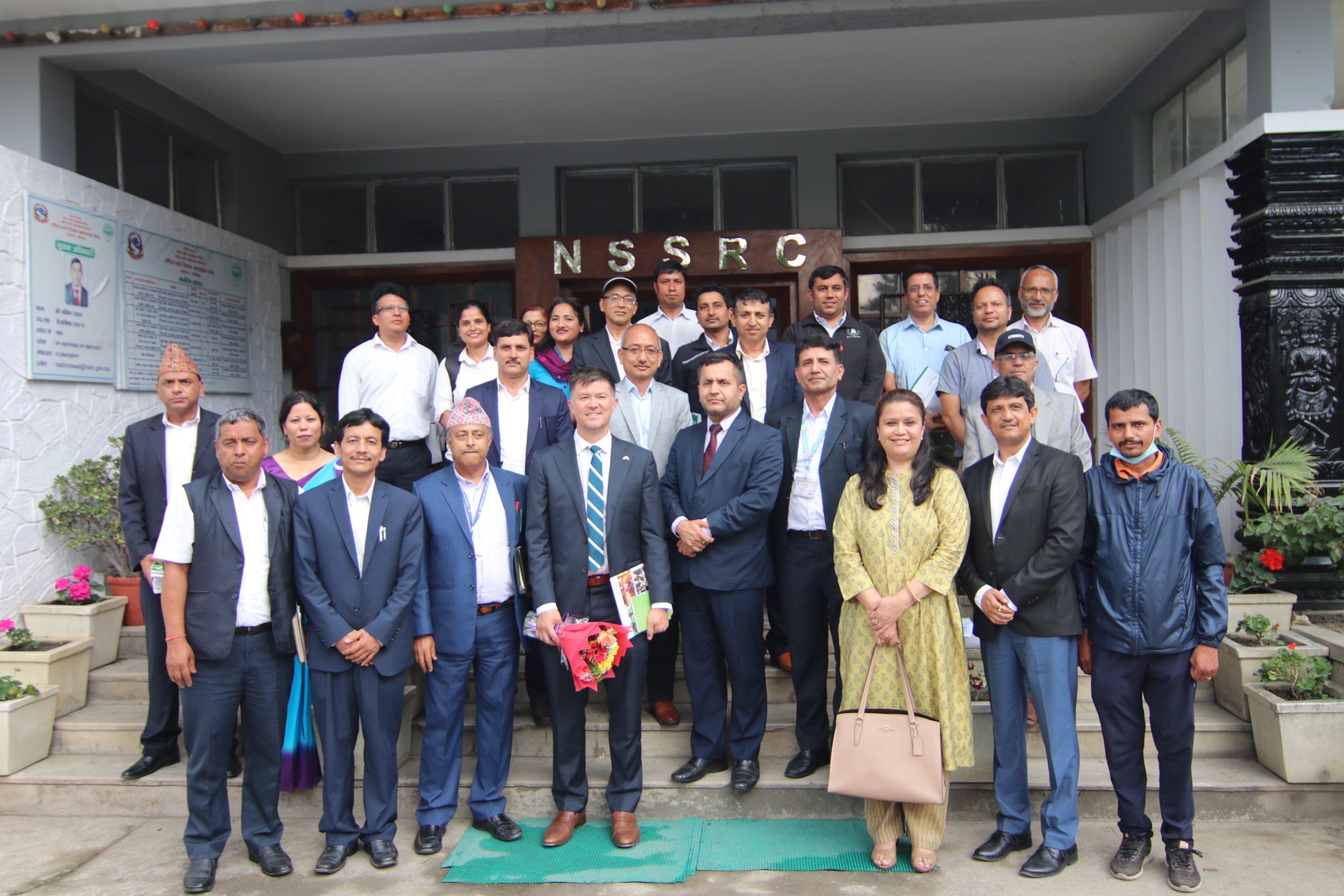
Government of Nepal adopts new fertilizer recommendations
Environmental health and biodiversity
Nepal announces new fertilizer recommendations adapted to local soils for increased crop productivity, income generation, and efficient fertilizer use.
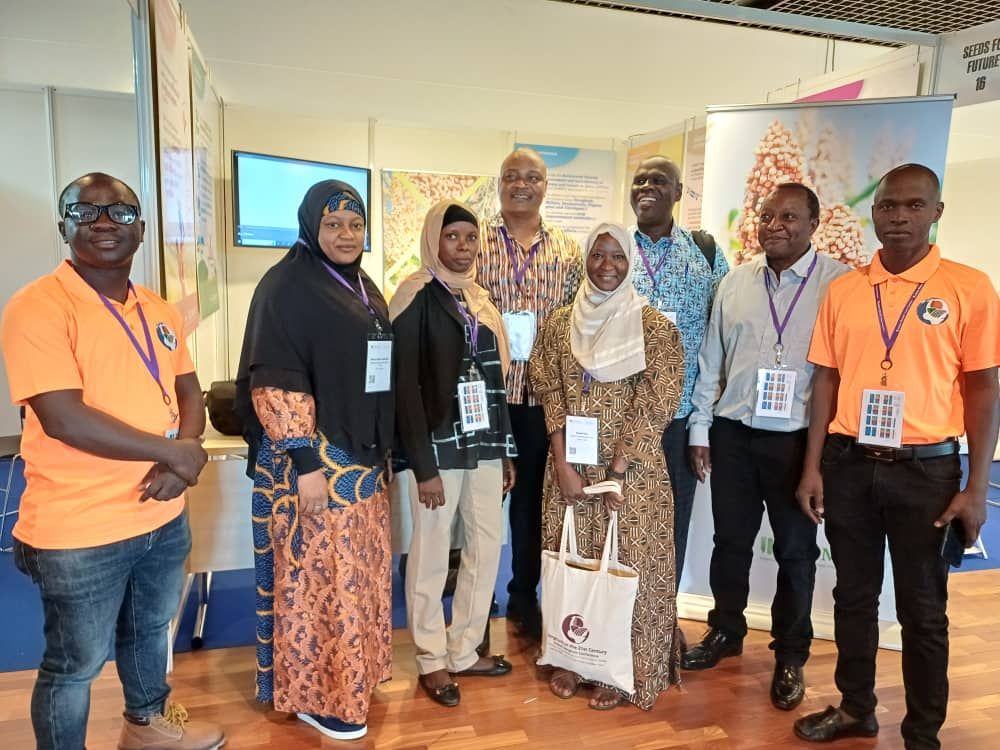
Unveiling the potential of sorghum to shape sustainable agriculture
Environmental health and biodiversity
Sorghum Conference brought together researchers, scientists and experts from around the world.

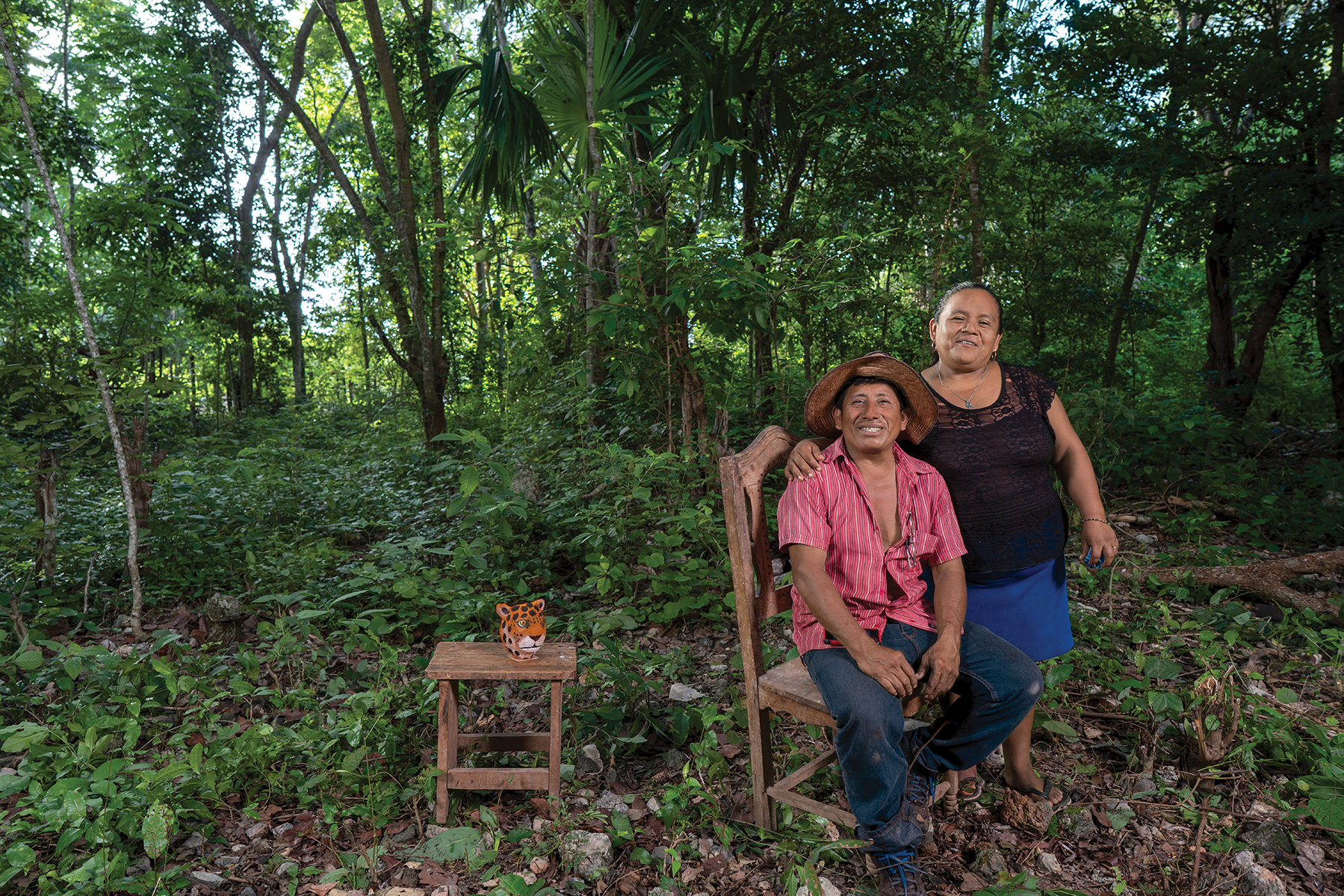
Three sisters and 120 sweet potatoes: Mexican farmers embrace Maya traditions
Environmental health and biodiversity
Source: The Guardian (10 Jul 2023)
Maíz Criollo Kantunil, a group of farmers and agro-ecologists, has successfully reintroduced three varieties of native maize using seeds supplied by the International Maize and Wheat Improvement Center (CIMMYT).

Scientists Urge Shifting More Nitrogen to Low-Input Farms and Better Use on High-Yield Farms
Environmental health and biodiversity
Source: Seed Today (5 Jul 2023)
Integrated management of organic and inorganic nitrogen sources in high- to low-yield cereal production could bring yearly savings in nitrogen fertilizer. “Spatially differentiated nitrogen supply is key in a global food-fertilizer price crisis.”